
If your heating system is getting old, the first big question is what to replace it with. In North Texas, most homes heat with one of three setups: a gas furnace, a heat pump, or an electric furnace that uses heat strips. Each one works differently, costs a different amount to run, and handles our weather differently.
Here’s a plain-English comparison for DFW homeowners.
How each system makes heat
- Gas furnace. Burns natural gas and blows the warm air through your ducts. It puts out very hot air and doesn’t care how cold it is outside.
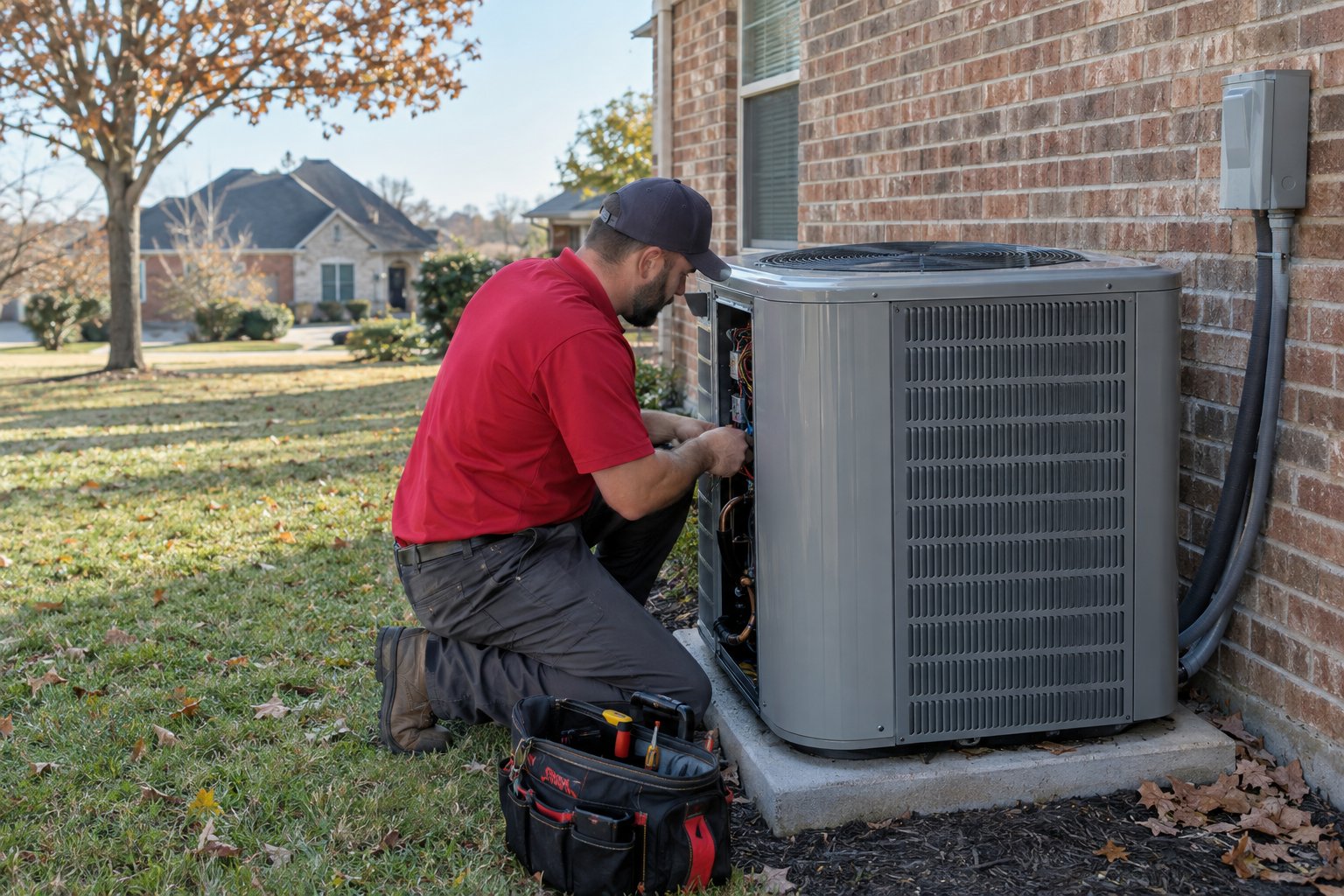
- Heat pump. Works like an air conditioner running in reverse. It pulls heat from the outside air and moves it inside. The same outdoor unit cools your home in the summer.
- Electric furnace (heat strips). Heats electric coils, a lot like a toaster or hair dryer. It’s simple and cheap to install, but it’s the most expensive to run.
Operating cost
Heat pumps are the most efficient way to heat with electricity. The U.S. Department of Energy says a heat pump can deliver up to three times more heat than the energy it uses, and can cut the electricity used for heating by about 50% compared to an electric furnace or baseboard heat.
If your home is all-electric and still heats with strips, a heat pump is usually the single biggest upgrade you can make to your winter bill. If you already have natural gas, the comparison depends on your gas and electric rates, the age of your equipment, and how well your home is sealed and insulated.
How each one handles a DFW winter
Our winters are mostly mild, with a handful of nights in the 20s and the occasional hard freeze. That works in a heat pump’s favor most of the year.
- Heat pumps handle the 30s, 40s and 50s very efficiently. As temperatures drop into the 20s, they lose some capacity, and a backup heat strip kicks in to help. Modern cold-climate and variable-speed heat pumps handle the cold much better than older models.
- Gas furnaces deliver strong, hot air no matter how cold it gets, which some homeowners prefer during a freeze. They do need yearly safety inspections because of combustion and carbon monoxide risk.
- Dual-fuel systems pair a heat pump with a gas furnace. The heat pump runs most of the winter, and the furnace takes over on the coldest nights. For many DFW homes with gas service, this is the best of both.
Quick comparison
| Gas furnace | Heat pump | Electric furnace | |
|---|---|---|---|
| Needs natural gas | Yes | No | No |
| Also cools in summer | No (pairs with an AC) | Yes | No (pairs with an AC) |
| Cost to run in DFW | Low to moderate | Low | High |
| Performance in a hard freeze | Excellent | Good, with backup heat | Good |
| Combustion / CO risk | Yes, needs yearly inspection | No | No |
Signs it’s time to replace your heating system
- Your system is 15 years old or older
- Repairs are getting more frequent or more expensive
- Some rooms are always colder than others
- Your winter electric bill keeps climbing
- A technician has found a cracked heat exchanger in your furnace
Which one is right for your home?
The right answer depends on whether you have gas service, the condition of your ductwork, your home’s size and insulation, and your budget. A proper load calculation matters more than the brand name on the box. An oversized or undersized system will cost you comfort and money no matter what type it is.
Brayden J Mechanical is a veteran-owned, licensed HVAC company (TACLA145034C) based in Haltom City. We give free, no-pressure estimates on new systems, explain your options in writing, and back new installations with a 10-year parts and labor warranty. We also offer financing through three different lenders so you can pick the payment plan that fits.
Not ready to replace? Our $59 furnace and AC tune-up will tell you exactly where your current system stands.
Call (682) 277-9944 or book online to schedule your free estimate.